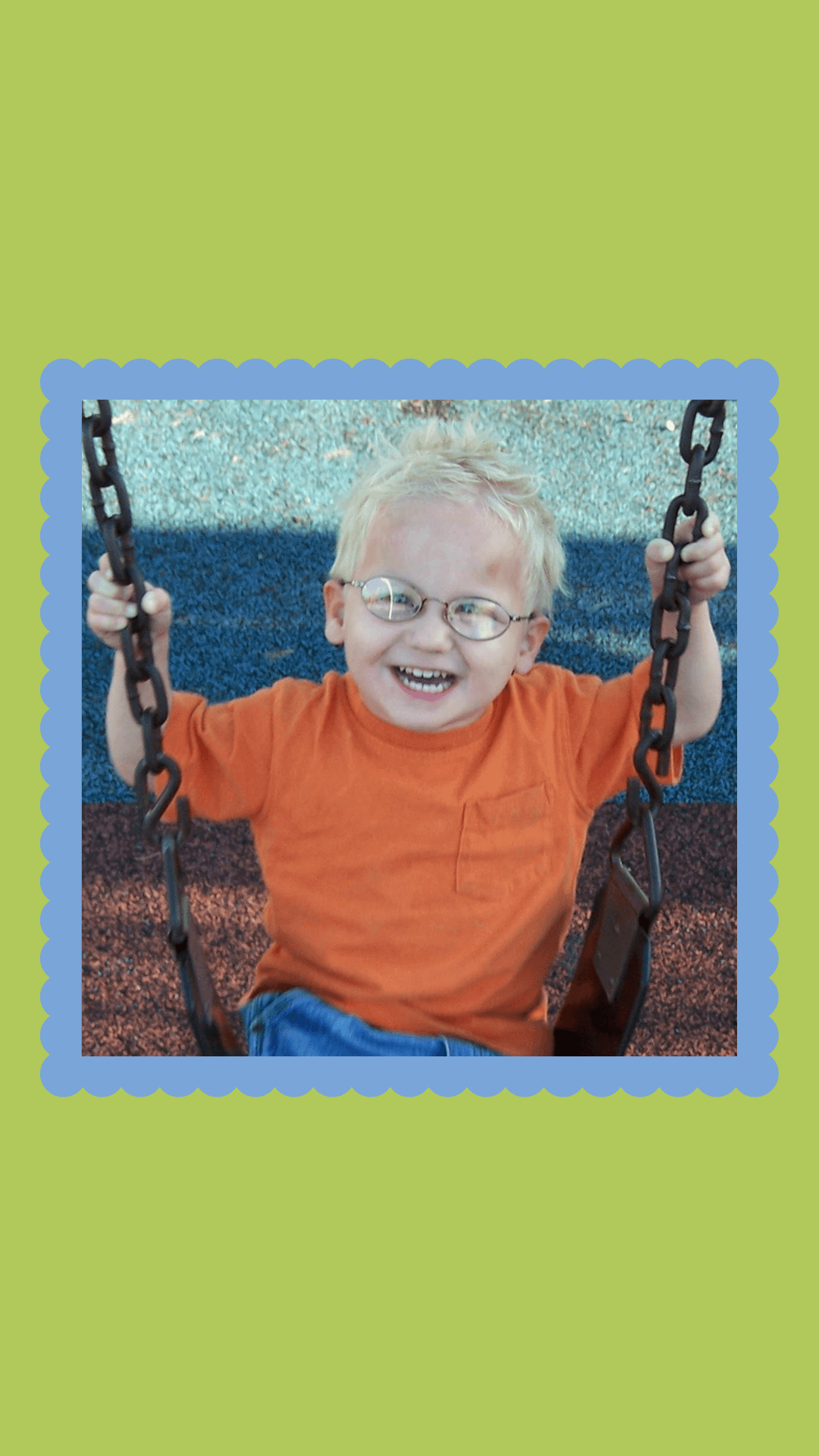
A non-profit organization in Lincoln, NE dedicated to building and providing a home for young adults with disabilities.
Registration Form
9:30am Saturday, June 7th, 2008Holmes Lake Park
70th and Normal Boulevard

The
Charlie M. Wilson Replacement Care Home, Charlie's House, is a local 501 (C) (3) non-profit organization located in Lincoln Nebraska, dedicated to building and providing a home for young adults with disabilities. This home will serve as a living facility for three handicapped adults giving them the chance to live independently and enter the workforce of our community. Charlie's House will also offer a common space to host community meetings and other social activities relevant to the interests and needs of all developmentally and physically challenged individuals in the Lincoln Community.
Our goal is to provide a quality care, family-like environment in an independent living setting for handicapped adults. It will be a self-sustaining house that is accountable for it's expenses. The residents will share their home with all disabled adults and children in Lincoln for normal like experiences, such as hosting meetings and activities, sponsoring social events, and having gatherings with friends. In doing so, Charlie's House, will harbor an atmosphere of community involvement, day-to-day social opportunities, and friendship, providing needed social support to this under served group of individuals.
In 2004, Dr. Gerry Hendershot, a Senior Research Advisor with the National Organization of Disability stated, "Providing accommodations for group activities makes a positive difference in the lives of persons with disabilities." At this time, there are few community based group opportunities or activities for handicapped members of the Lincoln community. Charlie's House will change that fact by providing these young adults with the opportunity to engage in mainstream society and empower them with the necessary tools to provide for themselves and give back to our community.
Charlie's House will provide unique opportunities for otherwise overlooked young adults who want to contribute to their society. It will not only provide housing to three disabled young adults, but will also serve as a link between individuals with disabilities and the local community. It is important for our house to give back to Lincoln by sharing with it our time and space. Charlie's House will supply a much needed, small relief tot he housing crisis of persons with disabilities along with serving as a new venue for social opportunities for handicapped individuals in the Lincoln community. Charlie's House will become a role model for future non-profit replacement care homes in the state of Nebraska
Necessity of Housing for Handicapped Adults
Before the 1990 passage of the Americans with Disabilities Act, disabled persons were segregated from the community by living in institutions and nursing homes. Since 1990, the nation has shifted its vision toward a system of community-based, personal assistance services. This has been a great victory for people with disabilities.
However, there is a major housing shortage for handicapped adults due to the lack of sufficient independent living and replacement care houses in our communities. In September 2003, the state of Nebraska participated in the Midwest Regional Housing Forum, which concluded that, "individuals with disabilities are facing a housing crisis."
This leaves many disabled adults with no chance to live independently within the community. They must live with their parents who are often not able to provide quality care because of age and physical limitations. Some parents are eventually faced with placing their sons and daughters in nursing home facilities because they are incapable of providing care or because of unforeseen life threatening events.
This leaves the parents and the disabled adults with no change of creating a smooth transition to independent living within replacement care houses in the community. There is an urgent need to create more housing for developmentally and physically disabled adults.